Islamic Studies for Kids: What Should Your Child Learn First?
Not sure where to start with Islamic studies for kids? Explore faith, prayer, good manners, and simple ways to support learning at home.
Start With Meaning, Not a Long Checklist
You want your child to understand Islam, feel comfortable asking questions, and connect what they learn with everyday life. But with so many topics to cover, knowing where to begin can feel overwhelming.
Islamic studies for kids can include belief, worship, Quran understanding, the life of Prophet Muhammad, stories of the prophets, and good character.
You do not need to teach everything at once. A useful starting point is a small selection of meaningful ideas, explained clearly and revisited through family life.
The sequence below is a practical suggestion for parents, not a fixed curriculum or a religious ruling. Adapt it with a qualified teacher to your child’s understanding and previous learning.
1. Begin With Belief and Welcoming Questions
Begin with the central belief that Allah is One and that Muhammad, peace be upon him, is His messenger.
Use language your child understands. Make room to talk about worship, gratitude, and the purpose behind the practices they see at home.
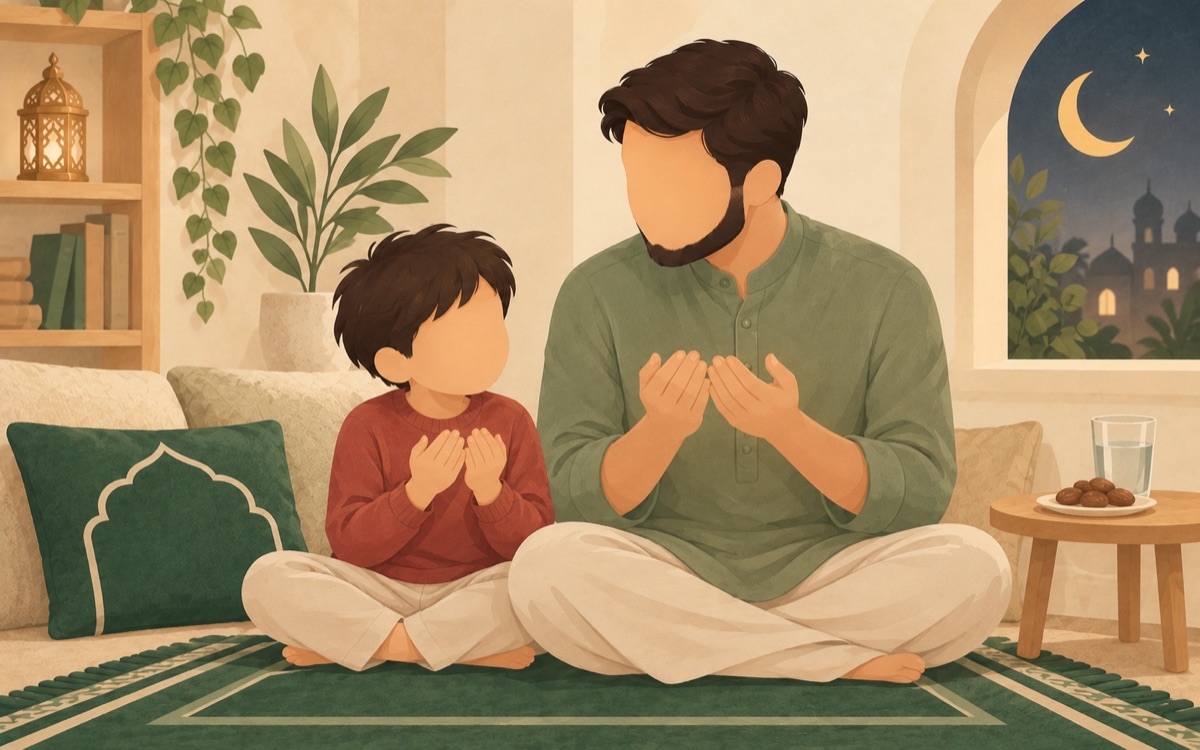
For example, when your child notices you praying, explain that salah is worship and a regular part of your relationship with Allah, rather than only telling them to copy the movements.
Welcome questions, including questions that seem difficult. If you do not know an answer, say so and explore it with a knowledgeable teacher. Your child does not need an instant answer to every question, but they should feel comfortable asking.
2. Make Good Manners Part of Daily Learning
Good character gives children opportunities to connect Islamic learning with situations they already understand.
Choose one practical example: telling the truth after a mistake, keeping a promise, treating a sibling fairly, or speaking kindly to a classmate.
Talk through what happened and what a better response could look like. Help your child practise the action rather than only memorize its name.
Model the same behaviour yourself. If you speak sharply or make a mistake, acknowledge it and show how to put things right.
3. Introduce Everyday Islamic Expressions and Duas
Familiar routines can provide a natural place to introduce Islamic expressions and short duas.
You might begin with saying Bismillah before eating, expressing thanks with Alhamdulillah, or learning an appropriate dua for bedtime.
Teach the meaning alongside the words so that the activity becomes more than repeating unfamiliar sounds.
Use a reliable source for the Arabic wording, meaning, and occasion of a dua. Ask a teacher to check pronunciation if you are unsure.
Introduce a manageable amount and revisit it when the relevant situation occurs. There is no need to turn every family activity into a test.
4. Help Your Child Understand Wudu and Salah
As your child becomes ready for guided practice, introduce preparation for prayer and the actions and words of salah.
Let them observe, ask questions, and practise a small part with support. Explain what they are learning instead of rushing through the sequence.
Work with a qualified teacher on the correct method, recitation, and age-appropriate expectations. Where details of practice differ, let the teacher know the approach your family follows.
This article does not set out the rulings or requirements of prayer. Ask a qualified teacher about those details and how they apply to your child.
5. Introduce the Five Pillars With Simple Explanations
The five pillars provide a useful framework for introducing important Islamic practices.
Shahadah is the declaration of faith. Salah is the prescribed prayer. Zakat is obligatory giving with specific conditions. Sawm is fasting in Ramadan. Hajj is the pilgrimage to Makkah for those who meet its conditions.
Begin with clear, simple explanations and build understanding over time. Knowing the names is a starting point, not the whole lesson.
Distinguish between learning about a practice and being required to perform it. Children’s responsibilities, readiness, and circumstances need appropriate guidance.
Everyday examples can help: discussing generosity when sharing, noticing family preparations for Ramadan, or looking at a map when learning about Makkah.
6. Share Stories With a Clear Lesson
Stories of the prophets and the life of Prophet Muhammad, peace be upon him, can provide opportunities to discuss faith and character.
Choose accounts from reliable sources and explain unfamiliar words. Avoid adding invented events or dialogue and presenting them as part of the religious account.
After a short story, ask one open question: “What did you notice?” or “How could we practise that good quality today?”
Your child does not need to remember every name and date immediately. Revisit the story and its meaning as their understanding develops.
7. Connect Quran Reading With Understanding
Quran reading and Islamic studies can support each other, but reading, memorization, and understanding are different skills.
Alongside recitation practice, ask the teacher to explain the meaning of a familiar short passage in language your child understands.
Discuss one relevant idea at home, using a reliable explanation rather than guessing at the meaning yourself.
A child may recite confidently and still have questions about what they are saying. Make space for those questions as part of the learning plan.
A Simple Learning Routine to Try at Home
Choose one topic for the week instead of introducing several unrelated lessons.
For example, if the topic is gratitude, begin with a short conversation about something your child appreciates. Introduce or revisit the meaning of Alhamdulillah, then look for natural opportunities to use it.
On another day, read a suitable story or discuss a real situation connected with the same theme.
Finish the week with a conversation about what your child remembers and what they would like to ask. Adjust the amount of learning to their interest, attention, and needs.
How Should You Choose Islamic Studies Classes?
Ask which topics the course covers and how the teacher adapts explanations to your child’s age, language, and starting knowledge.
Find out how questions are handled, which learning resources are used, and how parents receive feedback.
For online Islamic classes for kids, also check safeguarding arrangements, parental observation options, lesson length, and scheduling.
Look for a clear learning plan and thoughtful explanations rather than promises that every child will complete the same material at the same speed.
Can Parents Teach Islamic Studies Without Speaking Arabic?
Parents can support conversations, routines, and character learning in the language their child understands.
For Arabic recitation, pronunciation, religious explanations, and rulings you are unsure about, work with a qualified teacher and reliable resources.
You can learn alongside your child while being honest about what you know and when you need help.
Does My Child Need to Memorize Everything First?
Memorization can be part of learning, but it should not replace explanation, questions, and practical understanding.
Ask the teacher to help you balance remembering important words with understanding their meaning and using what has been learned.
Notice progress in everyday actions and thoughtful questions as well as completed pages or memorized answers.
Build a Foundation You Can Keep Returning To
You do not need a crowded timetable to begin. Start with meaningful conversations, a manageable routine, and guidance you can trust.
Return to belief, worship, good character, and understanding as your child grows. Familiar topics can be explored in greater depth over time.
At Young Muslim, you can enquire about Islamic learning and discuss your child’s starting knowledge, your family’s goals, and the support you need.