Noorani Qaida for Kids: What Parents Need to Know
What is Noorani Qaida, and does your child need it? Explore the skills it teaches, how lessons work, and ways to support practice at home.
A Starting Point for Learning to Read Quran
If you are exploring Quran lessons for your child, you may have come across the name Noorani Qaida. But what is it, what does it teach, and how do you know whether it is the right starting point?
Noorani Qaida is a beginner’s reading primer used to introduce Arabic letters, vowel marks, and reading patterns that support Quran recitation.
For parents who do not speak Arabic, understanding its purpose can make choosing lessons and supporting home practice feel more manageable.
What Does Noorani Qaida Teach?
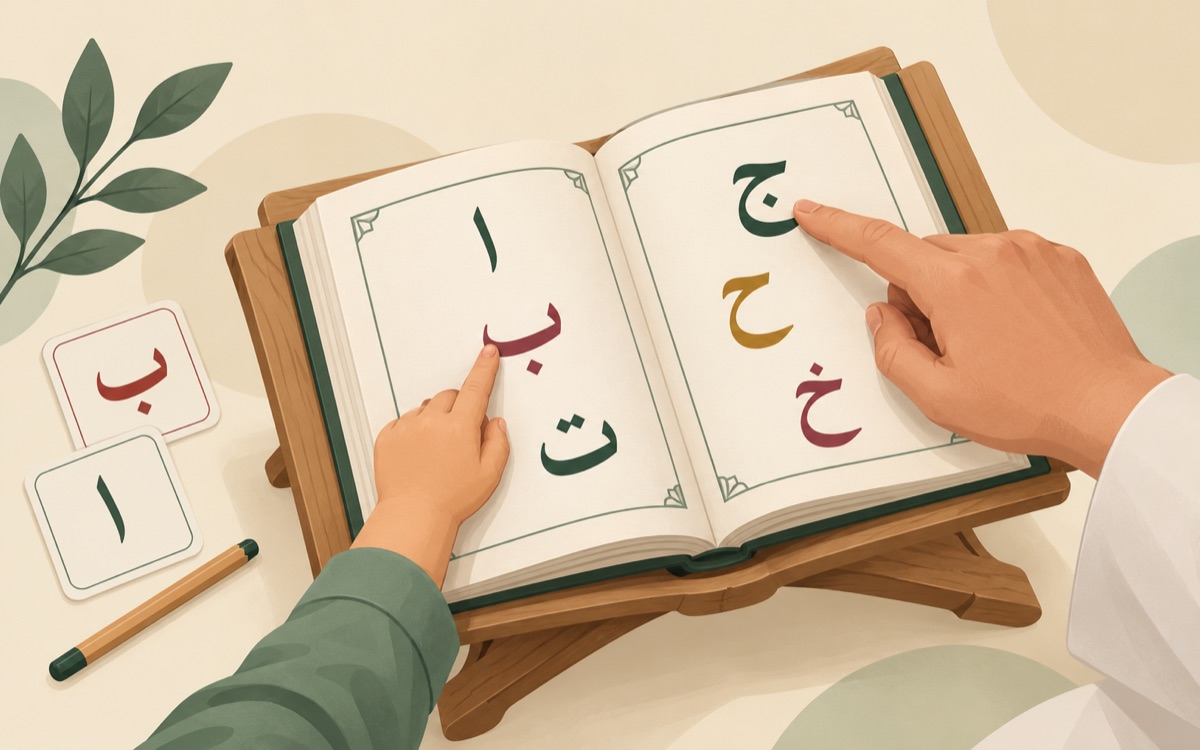
Noorani Qaida lessons typically begin with recognizing Arabic letters and distinguishing similar shapes. Learners then practise reading letters in combinations and responding to the marks that guide pronunciation.
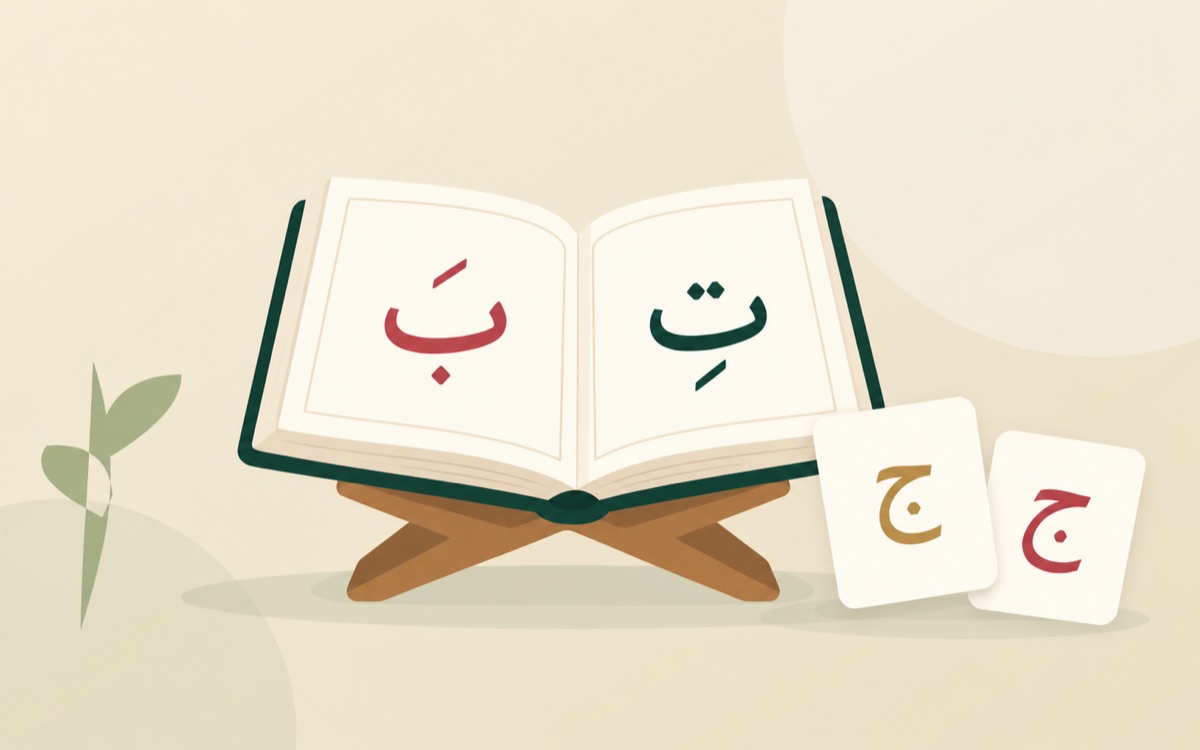
These include short vowel marks, known as harakat, alongside features such as tanween, sukoon, and shaddah. Lessons also introduce patterns involving lengthened sounds and further reading practice.
The exact lesson order, script style, and presentation can differ between editions. Ask your child’s teacher which version they use and what the learning sequence covers.
The aim is to help children read the printed text rather than rely only on remembering what someone else has recited.
Is Noorani Qaida the Same as Learning Arabic?
Not exactly. Learning to recognize and pronounce written Arabic is different from learning to hold a conversation or understand the meaning of every word.
A child may become more confident reading vowelled Arabic text while still needing separate support with vocabulary, comprehension, and spoken language.
If your family’s goals include understanding Quranic vocabulary or speaking Arabic, discuss these goals with the teacher so that the learning plan addresses them alongside reading.
Does Every Child Need to Start With Noorani Qaida?
Not every learner needs to begin at the first page. A child who already reads Arabic may need targeted revision or work on pronunciation instead.
Noorani Qaida is also not the only approach to teaching beginner reading. Different teachers use different primers and methods.
Ask for a starting assessment. The teacher should explain what your child can already do, which skills need attention, and why a particular starting point is suitable.
Memorizing a short surah does not necessarily mean a child can read its words independently. An assessment can help distinguish memorization from reading.
When Is a Child Ready to Begin?
Rather than choosing lessons based only on age, consider how your child responds to a short, guided activity.
Can they look at a letter, listen to a sound, and have a go at repeating it? Can they interact with the teacher and follow a simple instruction with support?
These questions can help you discuss readiness with a teacher. They are practical observations, not a formal developmental test.
For a younger child, learning may involve brief activities and plenty of parental support. An older beginner may prefer a different pace and presentation.
What Should a Useful Lesson Look Like?
A useful lesson gives the teacher opportunities to hear the child read, model a sound clearly, and provide individual feedback.
Look for an explanation your child can follow, manageable practice, and patient correction. Finishing pages quickly should not replace checking understanding.
Ask how the teacher decides when to move on. Can your child recognize the letters or patterns in a different order, rather than only repeat a familiar line?
If you are considering online lessons, also check audio quality, parental observation arrangements, safeguarding procedures, and how progress will be communicated.
How Can Parents Help at Home?
Ask the teacher to identify a small amount of practice and explain exactly what your child should do.
Use the same edition or resource as the lesson. This helps avoid confusion when page layouts or reading symbols differ.
As a starting suggestion, try a few focused minutes at a comfortable time and adjust the routine to your child’s needs. Keep the book or materials easy to find.
If you cannot judge a sound confidently, do not guess at a correction. Note the example and ask the teacher to check it.
Use audio recommended by the teacher to support listening and repetition. Audio can provide a model, but it does not replace someone listening to your child and giving feedback.
How Long Does It Take to Complete Noorani Qaida?
There is no reliable completion time that applies to every child.
Prior knowledge, lesson frequency, practice, teaching approach, and individual learning needs can all affect progress.
Ask for specific updates rather than only a completion date. Which skills are secure? Which need more practice? What is the next step?
Avoid comparing your child’s pace with a sibling’s or another learner’s. The goal is a usable reading foundation, not simply reaching the final page.
Does Completing the Book Mean Tajweed Is Finished?
No. A beginner’s primer can introduce pronunciation and reading habits that support tajweed, but completing it does not mean a child has mastered Quran recitation.
The teacher should check how well the learner applies those skills when reading Quranic text and identify any further instruction needed.
Reading, recitation, memorization, and understanding each deserve attention. Progress in one area does not automatically mean the others are complete.
Questions to Ask Before Choosing Lessons
Which edition or reading resource will my child use, and why?
How will you assess their starting level and explain progress to me?
What should we practise between lessons, and can you provide a suitable audio example?
How do you support children who find a sound or reading pattern difficult?
What will my child move on to when they are ready?
Help Your Child Build a Confident Foundation
Learning to read Quran begins with small skills that gradually work together: recognizing letters, noticing reading marks, listening carefully, and practising with guidance.
Start with an assessment, agree on manageable goals, and keep communication with the teacher clear.
At Young Muslim, you can enquire about beginner Quran learning and discuss your child’s current level before choosing a suitable learning plan.